Understanding Vehicle History Reports & Why They Matter
What Are Vehicle History Reports?
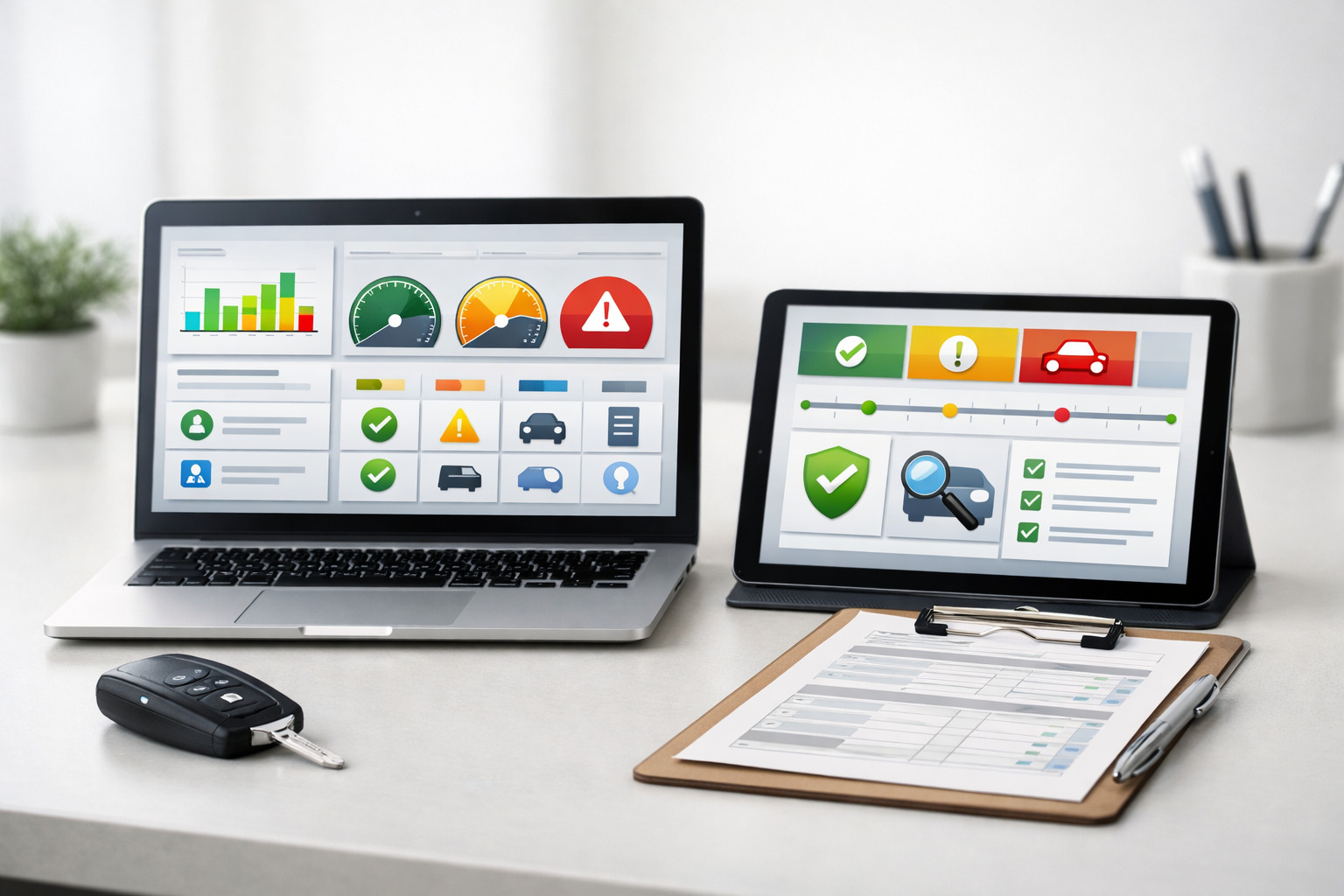
A vehicle history report is a comprehensive document that tracks a car’s past using its Vehicle Identification Number (VIN). It reveals key data points like past ownership, accident history, service records, and title status. These reports consolidate DMV records, insurance claims, auction data, and more.
What’s Included in a Car History Check?
The most common data points found in a VIN history report include:
Ownership history: Number of previous owners, ownership duration, and usage (e.g. personal, lease, commercial).
Title check: Identifies if the car has a clean title, salvage title, or branded title (e.g. flood, lemon, rebuilt).
Accident records: Shows reported accidents, severity, airbag deployment, and frame damage if applicable.
Mileage validation: Tracks odometer readings to identify potential rollbacks.
Salvage status: Flags total loss events, junkyard involvement, or auction sale after an accident.
Who Provides Auto History Data?
Major report providers like Carfax, AutoCheck, and VINCheck gather data from insurance companies, auto auctions, repair shops, and government agencies. These companies specialize in aggregating and verifying information that helps buyers assess a vehicle’s reliability.
Why Vehicle History Reports Are Essential When Buying a Car
Vehicle history reports prevent bad investments. They help buyers identify hidden issues that sellers might not disclose. These reports also promote transparency in private sales and dealership transactions.
How Do VIN Reports Help?
A used car history report helps in:
Identifying prior accidents: Accidents reduce resale value and increase mechanical risks.
Detecting odometer rollback: A false mileage reading hides true wear and impacts value.
Uncovering flood damage: Water damage leads to long-term electrical and safety issues.
Finding lemon vehicles: Cars labeled as lemons have recurring defects, often unresolved.
Checking for liens: A lien check reveals whether someone else still owes money on the car.
Who Benefits from a Vehicle Report?
Buyers use reports to negotiate better prices or avoid bad deals.
Sellers build credibility by providing clean reports.
Dealerships use them to comply with consumer protection regulations.
Inspectors and mechanics cross-check reports against physical inspections.
Insurance companies assess risk based on previous claims and damages.
What You Can Learn from a Vehicle History Report
Every section of a used car record reveals critical information. Knowing how to read a report ensures buyers make informed decisions.
How to Read a Vehicle Report
Here’s what you’ll typically find in a car history report and what it means:
Section | Details |
Title status | Indicates if the car has a clean, salvage, rebuilt, or branded title. |
Accident history | Lists reported accidents, damage severity, and repair details. |
Service records | Includes oil changes, brake services, inspections, and recalls. |
Mileage logs | Validates odometer readings across time. |
Number of owners | Tracks ownership changes and use type (private, rental, fleet, etc.). |
Emission reports | Shows if the car passed state-required emissions tests. |
Title transfers | Lists states where the title changed, helping verify timeline accuracy. |
Report Date and Validity
A report’s issue date matters. Always ensure you’re reading the most recent version before making a purchase.
Best Places to Get a Vehicle History Report in 2026
Not all history reports are equal. Some providers offer more data, faster delivery, or better pricing. Comparing free and paid options helps you decide based on your needs.
Top Vehicle History Report Providers
Provider | Report Fee | Key Features |
Carfax | $39.99 | Trusted brand, accident & service data, easy UI |
AutoCheck (Experian) | $24.99 | Score-based system, multi-car reports |
VINCheck (NMVTIS-based) | Free | Basic title and theft info, government-backed |
National Motor Vehicle Title Information System | Varies | Aggregated government data, wide coverage |
Free vs Paid Vehicle Reports
Free reports cover basics like title checks and salvage status.
Paid reports include maintenance records, accident data, and market valuation.
Many dealerships provide free Carfax or AutoCheck reports with certified pre-owned cars.
Tip: Always match the report with the actual VIN of the car and double-check for updates if the vehicle was recently repaired or re-registered.
Common Red Flags Found in Vehicle History Reports
Certain report elements may suggest serious issues that could affect safety, performance, or resale value.
Top Red Flags to Watch Out For
Total loss event: Indicates the car was deemed not repairable by an insurance company.
Salvage rebuilt title: Previously totaled and later restored; structural safety could be compromised.
Branded titles: Flood, lemon, or hail-damaged titles suggest recurring or hidden issues.
Airbag deployment: Suggests major collision. If not properly replaced, safety is reduced.
Unreported accident: Gaps in the history may indicate that some repairs were paid out-of-pocket and not disclosed.
Other Risky Signs
Multiple ownership changes in a short time: Can indicate performance issues or title flipping.
Auction sale with minimal history: Could be a sign the seller is hiding something.
Missing service records: No maintenance history raises concerns about engine health and longevity.
How to Verify and Act on a Vehicle History Report
A vehicle history report is only one part of the evaluation process. It should be combined with physical inspection and document verification.
Key Steps to Confirm Used Car History
Match the VIN: Ensure the VIN on the report matches the VIN on the car’s dashboard and door sticker.
Inspect for inconsistencies: If mileage or accident data seems off, ask the seller to explain.
Get a certified mechanic: Request a pre-purchase inspection (PPI) from a trusted technician.
Cross-check with DMV: Verify title status and check for any active liens or recalls.
Ask the seller direct questions: If issues appear in the report, get written clarification or proof of repair.
When to Walk Away
If the vehicle has:
A branded title with no service history
Clear evidence of odometer fraud
Signs of frame damage not disclosed by the seller
Then avoid the purchase, regardless of the price.
FAQs About Vehicle History Reports
How do I get a vehicle history report?
You can get it online using the car’s VIN number through providers like Carfax, AutoCheck, or NMVTIS-approved websites.
Are VIN history reports always accurate?
Reports rely on available data. If accidents or services weren't reported to agencies, they may not appear.
Is my personal information at risk when checking VINs?
No. VIN lookup tools don’t collect or store personal data about the user. They only access public and partner databases.
How long is a report valid?
Vehicle reports don’t expire, but their relevance can change. Always generate a recent report before buying.
Can I share a vehicle history report?
Yes. Many providers let you download or email the report for discussions with mechanics, lenders, or insurance agents.
What’s Next?
In the next step, you can compare multiple cars' history reports, schedule inspections, and use the findings to negotiate or walk away. Understanding and acting on vehicle history data helps you avoid costly surprises.
Recent Posts
How to Use SearchCarX Like a Pro: Tips for Faster, Smarter Vehicle Searches
What is SearchCarX and How Does It Work?SearchCarX is an AI-powered car search platform that helps b...
Read More
Top 10 Most Reliable Used Cars to Buy in 2026
Why does car reliability matter in 2026 used car purchases?Reliability directly reduces long-term co...
Read More
Why Online Car Tools Are Better Than Traditional Dealership Searches
What Are Online Car Tools in 2026?Online car tools are digital platforms or applications that allow...
Read More
Tips for Getting Approved for a Car Loan with Bad Credit
What Happens When You Apply for a Car Loan with Bad Credit?Bad credit doesn’t mean you can’t get a c...
Read More
How to Budget for a Car: Total Cost of Ownership Explained
Why Budgeting for a Car Goes Beyond the Sticker PriceTotal Cost of Ownership (TCO) defines the real...
Read More
Electric vs. Hybrid vs. Gas-Powered Cars: Pros, Cons, and What to Choose
What are the main differences between electric, hybrid, and gas-powered cars in 2026? Electric vehic...
Read More
Cash vs. Financing vs. Leasing: Which Is Right for You?
In 2026, car buyers face more options—and more financial complexity—than ever before. Whether you're...
Read More
Top Features to Look for in a Safe Car in 2026
A safe car in 2026 combines smart tech with crash-tested design. Vehicle safety has shifted from jus...
Read More
Top Mistakes to Avoid When Buying a Car Online
Online car buying in 2026 is easier, faster, and more popular than ever. Digital dealerships, auto m...
Read More