Top Features to Look for in a Safe Car in 2026
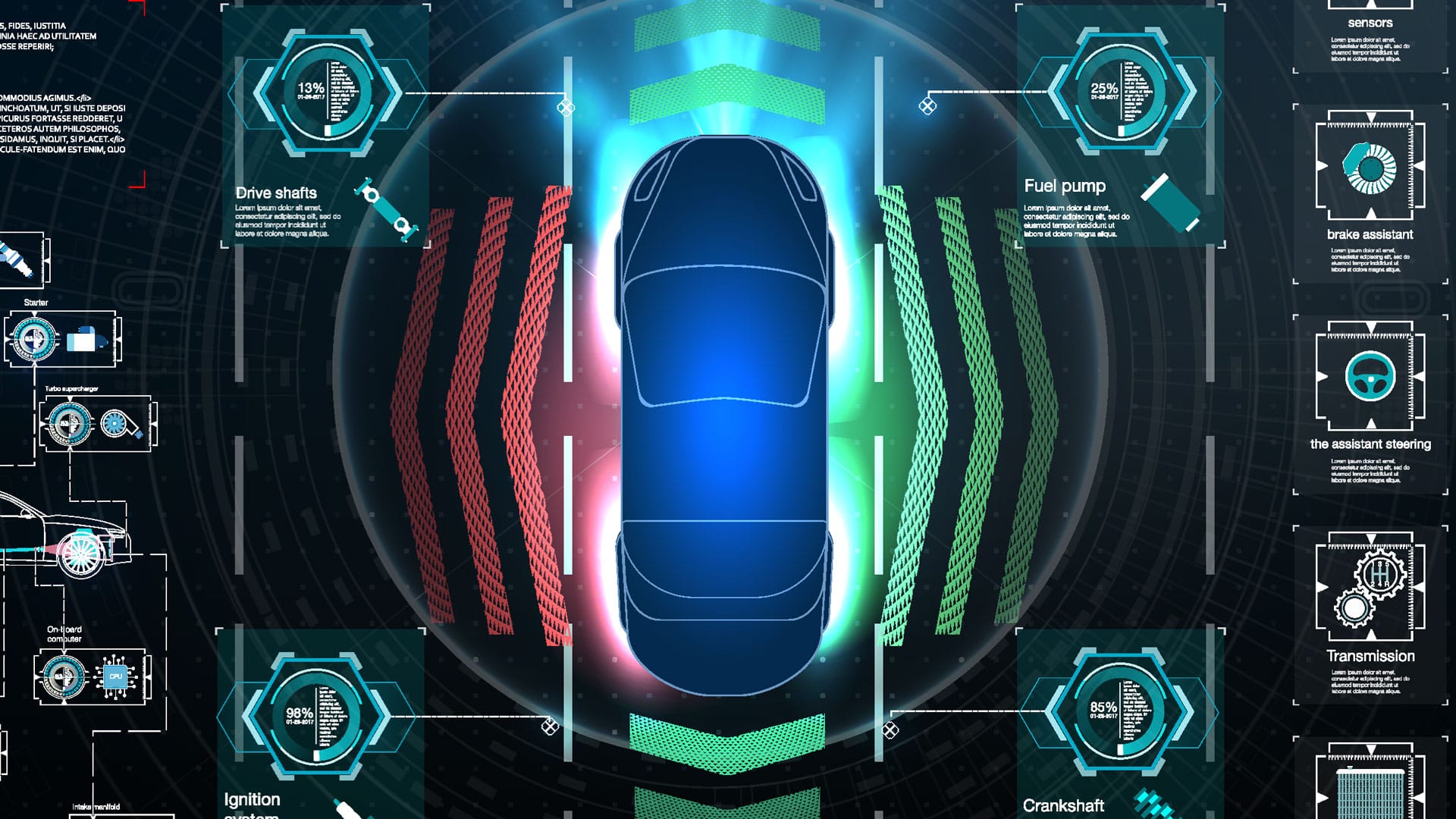
A safe car in 2026 combines smart tech with crash-tested design. Vehicle safety has shifted from just seatbelts and airbags to advanced AI systems that predict, prevent, and respond to danger in real time. Safety authorities like NHTSA, IIHS, and Euro NCAP now evaluate cars using both crash tests and technology-based rating systems.
Key Aspects Defining Vehicle Safety Today:
Crash safety certification from bodies like Euro NCAP and IIHS
Technology integration like automatic braking and driver monitoring
Structural integrity of frames and crumple zones
Road fatality data influencing newer safety mandates
2026 safety standards that prioritize both prevention and survivability
As cars get smarter, safety features now aim to eliminate human error, which causes over 90% of road accidents (NHTSA, 2025).
Next, we break down the essential car safety features in 2026—from predictive crash prevention to child protection systems.
Crash Prevention Systems: Must-Have Safety Features for 2026
AI-powered safety tech reduces crash risk by reacting faster than humans.
Core Crash Prevention Features in 2026:
Feature | Function | Supporting Tech |
Automatic Emergency Braking (AEB) | Applies brakes to avoid imminent collision | Radar + real-time object detection |
Forward Collision Warning (FCW) | Alerts driver of potential frontal crash | Sensor fusion systems |
Blind-Spot Monitoring | Warns about vehicles in side zones | Side-mounted radar and cameras |
Lane Keeping Assist | Steers car back if it drifts | AI + lane detection algorithms |
Adaptive Cruise Control (ACC) | Adjusts speed to maintain safe distance | Radar + AI traffic mapping |
These systems use radar sensors, high-speed processors, and real-time data to predict collisions and prevent them. In 2026, forward collision systems are standard in over 80% of new vehicles across Europe and the U.S.
2026 vehicle safety standards mandate that all top-rated cars include multi-layered assistive driving features to lower accident rates.
Driver Monitoring and Alertness Tech
Fatigue and distraction cause 1 in 10 highway crashes. Driver monitoring combats this.
In 2026, cars actively track your face, eyes, and behavior to detect signs of drowsiness or inattention.
Top Driver Alert Technologies:
Facial Recognition Cameras: Monitor driver identity and eye movement
Eyelid Tracking Sensors: Detect slow blinks or microsleep episodes
Driver Attention Monitors: Trigger alerts if head position shows lack of focus
Fatigue Detection Systems: Use AI to track steering behavior and lane changes
Tesla Autopilot’s in-cabin cameras: Now mandatory for semi-autonomous mode use
Smart seats even adjust posture if they detect slouching or leaning, signaling fatigue. These features form part of the driver monitoring systems in 2026, which are expected to be present in all Level 2+ autonomous vehicles.
Such systems significantly reduce accidents linked to fatigue, especially in long-distance or night driving.
Passive Safety: Airbags, Frames, and Crash Absorption
Passive safety focuses on protecting you during impact—still critical in 2026.
While tech can prevent accidents, crash protection features like airbags and safety cages save lives when collisions occur.
Key Passive Safety Features:
Smart Airbags (Front, Side, Curtain): Adjust force based on passenger weight and position
Crash Zones (Crumple Zones): Absorb and disperse impact energy
Safety Cage Frames: Reinforce cabin integrity using high-strength steel
Airbag Sensors: Deploy at optimal moment based on force and direction
ISOFIX Systems: Standardized child seat mounts improving rear seat safety
Microsemantic features like impact distribution and structural rigidity improve survivability in high-speed collisions.
In 2026, passive safety tech becomes more responsive—using AI and real-time data from sensors to enhance timing and effectiveness during crashes.
Night Driving & Weather Visibility Features
Driving safety in poor conditions is boosted by smart lighting and visibility tech.
In 2026, headlights and mirrors evolve with AI-driven adjustments to improve driver vision and reduce glare or weather-related risks.
Night & Weather Visibility Features to Look For:
LED Matrix Lights: Adapt light intensity and direction based on surroundings
Infrared Night Vision Cameras: Detect pedestrians and animals beyond headlight range
Rain Sensors: Automatically activate wipers at optimal speed
Auto-Dimming Mirrors: Reduce headlight glare from vehicles behind
Fog Lights: Enhance visibility in foggy, snowy, or heavy rain conditions
Glare reduction, infrared tech, and automatic brightness adjustment play major roles in lowering night-time collision risks.
Cars with adaptive lighting tech reduce pedestrian collisions in darkness by over 35%, according to Euro NCAP’s 2025 report.
Child & Passenger Safety: New Standards in 2026
Passenger protection now includes child detection, smarter locks, and backseat safety.
In 2026, safe cars for families include sensors and alerts that protect children, infants, and elderly passengers in all seating positions.
Passenger & Child Safety Innovations:
Feature | Function | Value |
Rear Occupant Alert | Warns if a child or pet is left inside | Prevents heatstroke deaths |
Smart Child Locks | Auto-activate when car is in motion | Boosts rear-seat safety |
ISOFIX Mounts | Standard for all new cars | Simplifies and secures child seat installation |
Seatbelt Reminders (All Seats) | Audio/visual alerts for unbelted passengers | Encourages full cabin safety |
Airbag Deactivation Sensors | Turns off front airbags for child seats | Prevents airbag injuries in infants |
Seat sensors can detect presence, weight, and movement. Combined with child monitoring alerts, this tech helps lower in-car child fatalities, especially during summer months.
Manufacturers also integrate door auto-lock and backseat warning systems that reduce forgetfulness and unintentional injuries.
FAQs: Choosing the Safest Car in 2026
What is the safest car in 2026?
The safest cars in 2026 are those earning Top Safety Pick+ from IIHS or 5-Star NCAP Ratings, including models like the Volvo EX90, Mercedes EQS, and Tesla Model Y.
Can I retrofit new safety tech to older cars?
Yes, some features like blind-spot monitors, dash cams, and driver fatigue systems can be added post-sale. Full crash avoidance systems are harder to retrofit due to integration complexity.
Do safety features reduce insurance costs?
Yes. Cars with advanced safety systems often qualify for insurance discounts, especially if they include AEB, lane assist, and driver monitoring.
How is vehicle safety scored in 2026?
Authorities use a mix of crash test results, tech safety performance, and real-world data. IIHS and Euro NCAP publish annual safety ratings across vehicle segments.
What’s the safest SUV or sedan this year?
According to IIHS (2026), top safety picks include:
SUV: Subaru Forester, Hyundai IONIQ 5, Toyota RAV4 Prime
Sedan: Honda Accord, Mazda 6, Audi A6
Are all new cars in 2026 equipped with driver assist tech?
Most vehicles now include at least Level 1 autonomy features, with AEB and lane keeping assist as standard under new EU and US regulations.
Summary of Key Safety Features by Category
Category | Essential Features |
Crash Prevention | AEB, FCW, blind-spot, adaptive cruise |
Driver Alertness | Eye tracking, fatigue detection, in-cabin AI |
Passive Safety | Airbags, safety cage, crumple zones |
Night & Weather | LED matrix, infrared, rain sensors |
Passenger Safety | Child alerts, seat sensors, ISOFIX |
Certifications | IIHS Top Safety Pick, Euro NCAP 5-Star |
By 2026, vehicle safety is proactive, tech-driven, and user-focused. Cars don’t just protect in crashes—they help avoid them entirely.
Recent Posts
Understanding Vehicle History Reports & Why They Matter
What Are Vehicle History Reports?A vehicle history report is a comprehensive document that tracks a...
Read More
How to Use SearchCarX Like a Pro: Tips for Faster, Smarter Vehicle Searches
What is SearchCarX and How Does It Work?SearchCarX is an AI-powered car search platform that helps b...
Read More
Top 10 Most Reliable Used Cars to Buy in 2026
Why does car reliability matter in 2026 used car purchases?Reliability directly reduces long-term co...
Read More
Why Online Car Tools Are Better Than Traditional Dealership Searches
What Are Online Car Tools in 2026?Online car tools are digital platforms or applications that allow...
Read More
Tips for Getting Approved for a Car Loan with Bad Credit
What Happens When You Apply for a Car Loan with Bad Credit?Bad credit doesn’t mean you can’t get a c...
Read More
How to Budget for a Car: Total Cost of Ownership Explained
Why Budgeting for a Car Goes Beyond the Sticker PriceTotal Cost of Ownership (TCO) defines the real...
Read More
Electric vs. Hybrid vs. Gas-Powered Cars: Pros, Cons, and What to Choose
What are the main differences between electric, hybrid, and gas-powered cars in 2026? Electric vehic...
Read More
Cash vs. Financing vs. Leasing: Which Is Right for You?
In 2026, car buyers face more options—and more financial complexity—than ever before. Whether you're...
Read More
Top Mistakes to Avoid When Buying a Car Online
Online car buying in 2026 is easier, faster, and more popular than ever. Digital dealerships, auto m...
Read More